
Our Research Priorities & Opportunities
Our strategic research priorities were developed in collaboration with key stakeholders and external authorities in research and drug design. The resulting roadmap is a multifaceted approach to addressing key priorities for discovering and developing therapeutics for individuals with NARS1 Disorder
Our multiyear roadmap helps us to outline and prioritize the necessary steps needed to advance us towards a cure.
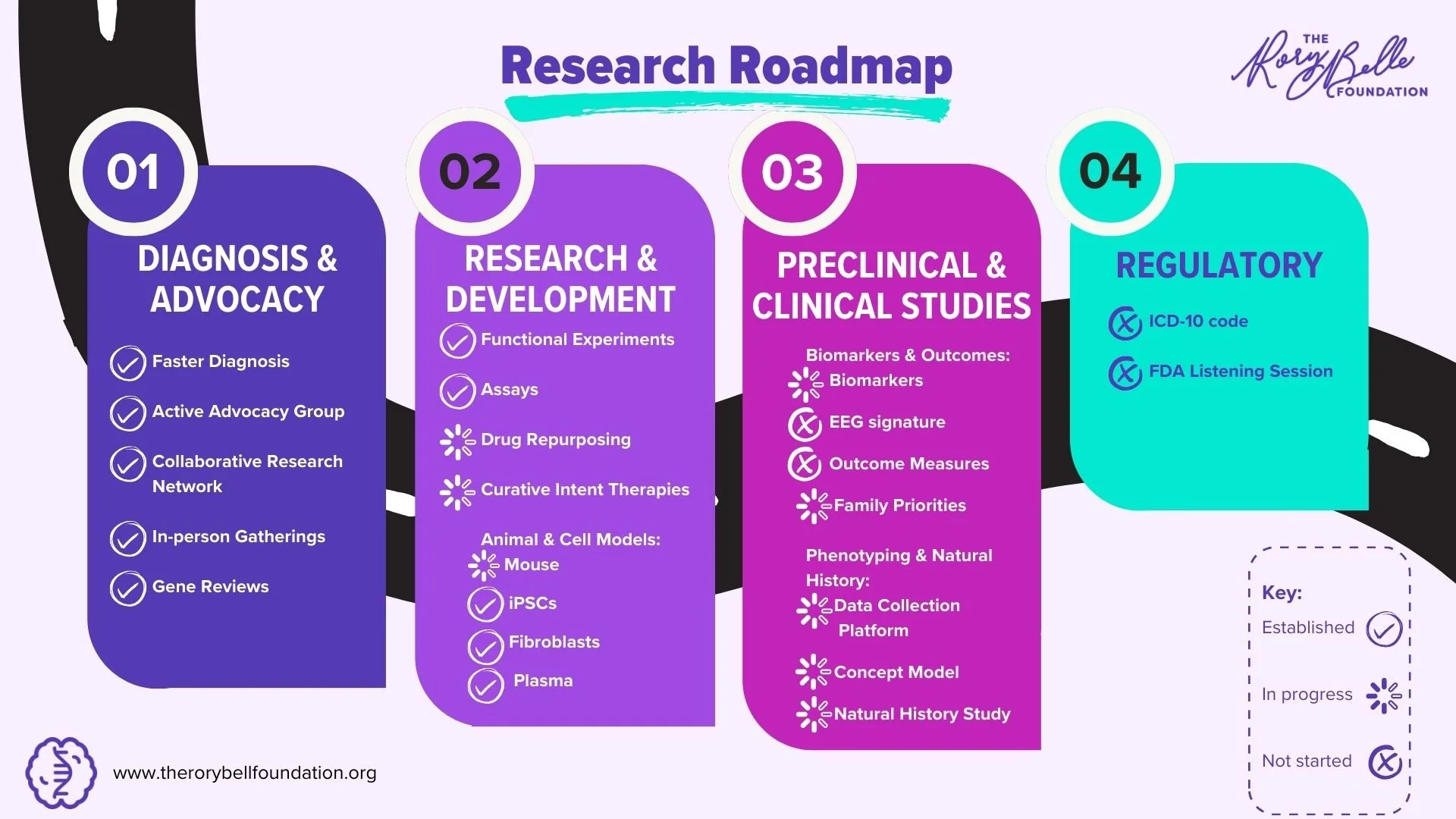
NARS1 Disorder Research Priorities
Develop a NARS1 loss of function mouse model and conduct phenotyping that includes measurement of asparagine levels and assessment of the neuronal phenotype
Develop iPSC-derived neurons and assess function and rescuable target
Identify N-of-a few trial collaborators and establish a desired "minimum data set" of historical data that can serve as a control for future clinical studies
Investigate potential biomarkers, including asparagine
Validate and expand on drug repurposing data for approaches to treating loss-of-function and toxic gain-of- function variants, including stop codon read-through strategies

Advance the Cure Grant Program
The Rory Belle Foundation is proud to offer our Advance the Cure Grant Program, designed to accelerate research and drive the development of therapeutic treatments for NARS1 disorder. This program focuses on supporting early-stage investigators whose innovative research can serve as a springboard for larger grants from government, industry, and other funding sources—including continued support from The Rory Belle Foundation. The program is awarded annually in December, with applications opening in July.
We are interested funding research that advances the understanding of the cellular, molecular, genetic, and systems-level mechanisms of NARS1 disease. Our priority would be to initially focus creating a reproducible biomarkers and assays for testing the future development of treatment options.
Keep a look out for our grant applications opening later in the year.
2025/26 Advance the Cure Grant Recipients
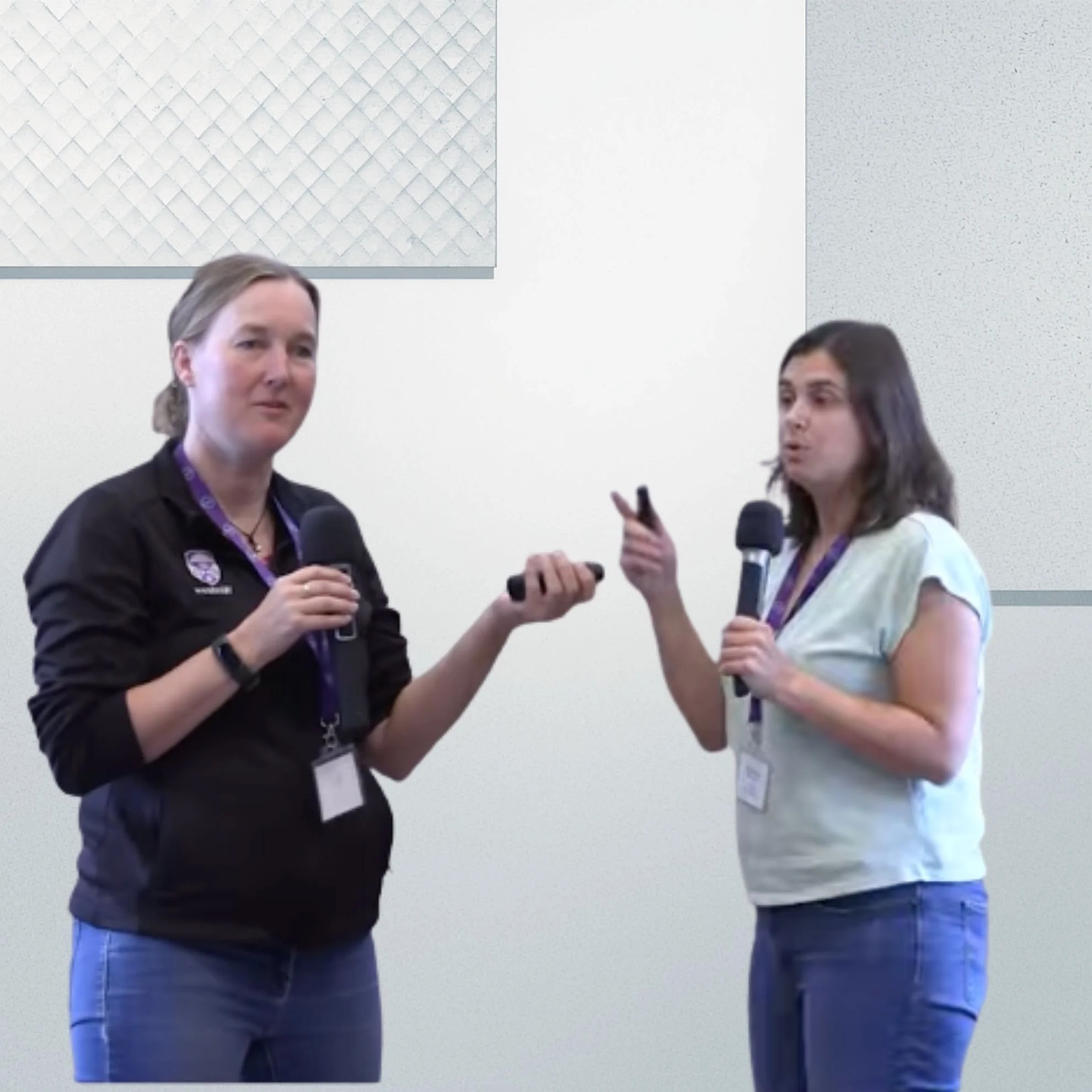
Dr. Ilka Heinemann & Dr. Marisa Mendes
Western University, London, Ontario, Canada & Amsterdam UMC, Netherlands
Ilka, Marisa and their team are continuing their long-standing work to understand and treat NARS1 Disorder, exploring a range of potential therapeutic approaches. A major focus of this research is an international collaboration to develop anti-sense oligonucleotides (ASOs) designed to target toxic NARS1 transcripts at their source.
Ilka and Marisa are able to build on years of expertise and utilise existing models and resources to test these promising new therapies.

Dr. Jenica kakadia
Western University, London, Ontario, Canada
Jenica is a postdoctoral researcher in Ilka’s lab, focusing on how NARS1 Disorder affects the development and function of neurons. Her work will also explore whether existing, already-approved drugs could improve the health and activity of neurons affected by NARS1.
To develop better treatments, we first need to understand exactly what goes wrong inside the brain’s nerve cells. By studying affected neurons in detail and testing medicines that already exist, this research could help identify faster, more practical treatment options for children living with NARS1 Disorder.
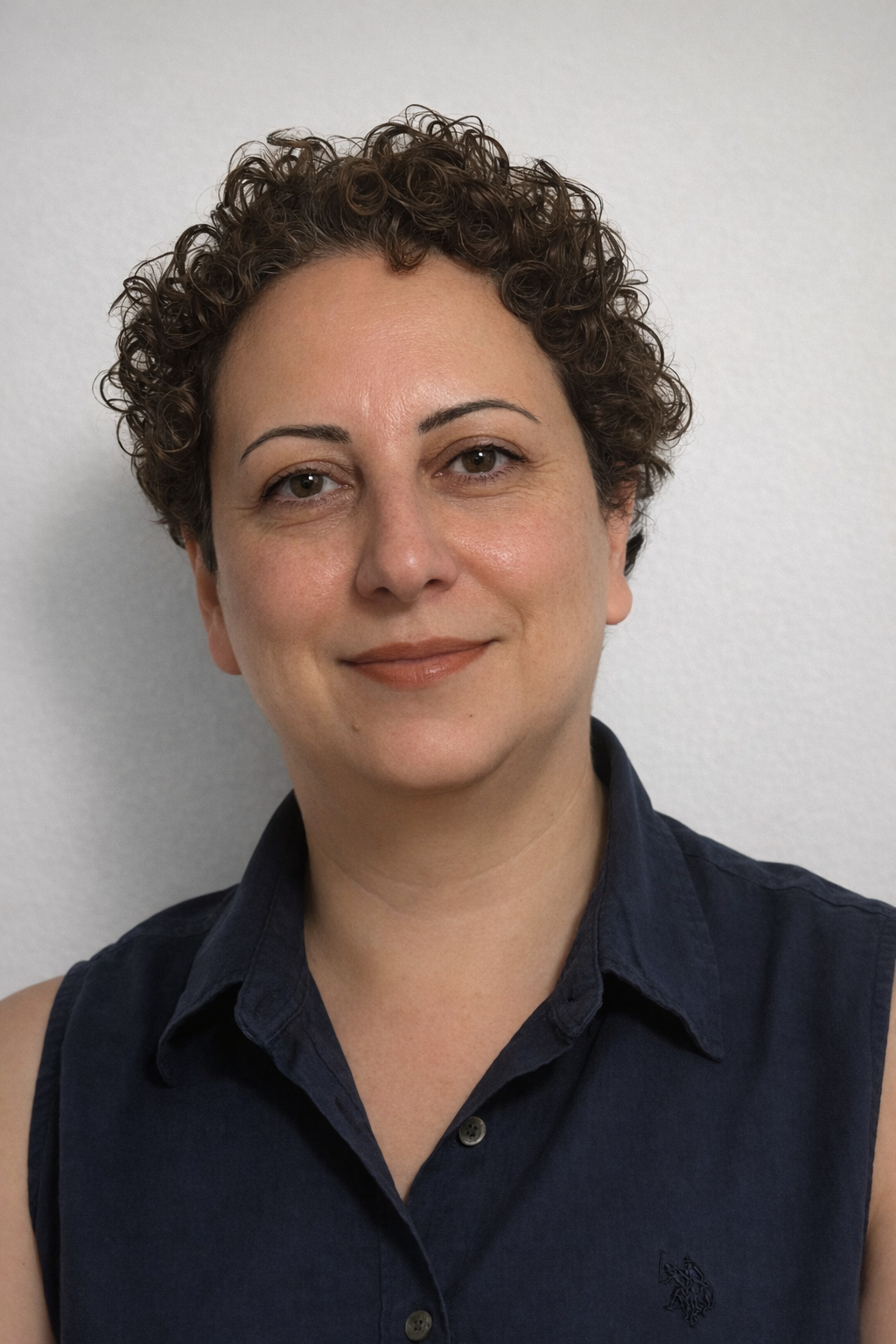
Dr. Farzaneh Larti
Kadir Has University, Istanbul, Türkiye
Farzaneh is an MD/PhD researcher at Kadir Has University in Türkiye with extensive experience studying NARS1 and other genetic conditions. Her project involves creating and studying fruit fly (drosophila) models of NARS1 Disorder to better understand how the condition affects a whole, living organism.
Although small, fruit flies share many biological similarities with humans and can show symptoms such as seizures and nerve problems. Using these models allows researchers to study how NARS1 Disorder impacts the body in a complex, real-life system and provides an efficient way to test whether existing drugs might help – potentially speeding up the search for effective treatments, especially since our mouse models have been harder to create.
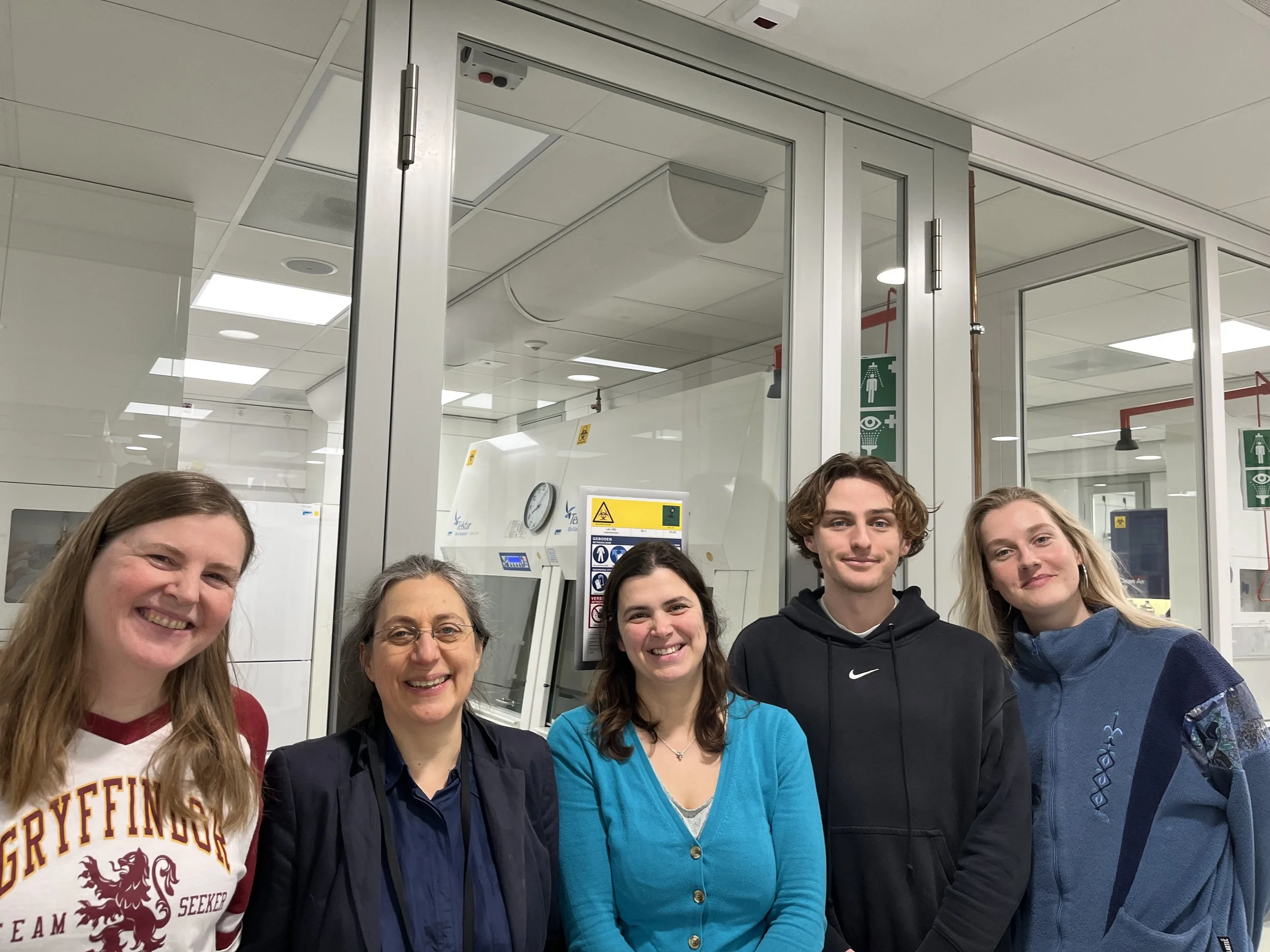
Dr. Marisa Mendes
Amsterdam UMC, Netherlands
A late 2025 grant funding opportunity from Marisa’s research on proteomics – the study of proteins in the body – to identify reliable biomarkers for NARS1 Disorder. Using blood and cell samples generously shared by families, she is working to find measurable signals that are common across people affected by NARS1 and could be used to support diagnosis and ongoing monitoring.
Right now, it can be difficult to measure how NARS1 Disorder is progressing or whether a treatment is making a real difference. Having clear, measurable biomarkers in blood or cells would allow doctors and researchers to track changes over time and compare results between individuals. These markers are essential for testing new therapies, such as asparagine supplementation, in a more accurate and meaningful way.
Biorepository Samples Available for Research
We partner with COMBINEDBrain to maintain a robust biorepository of active and control samples from our community and gladly partner with researchers interested in accessing these samples!

NARS1 Patient Registry Data
We partner with RARE-X to collect patient data and make it available to researchers on a de-identified, patient-level basis, structured to support quantitative research. The RARE-X Data Analytics Platform is a global, secure, cloud-based platform where this data is shared to enable researchers to collaborate and access data.
Click here for a RARE-X Platform overview for researchers
Want to use NARS1 patient data in your research? Click here to learn how to get started!
