
A Path to a Cure for NARS1 Disorder
Finding treatments for NARS1 Disorder is a journey made up of many important steps. Researchers need to understand how the gene works, how the condition affects people over time, and how potential treatments can be safely tested in clinical trials.
At The Rory Belle Foundation, we support research across this whole pathway, from early laboratory science through to clinical trial readiness and, ultimately, treatments.
Below is a simple guide to the key parts of the research journey and how families play a vital role in moving research forward.
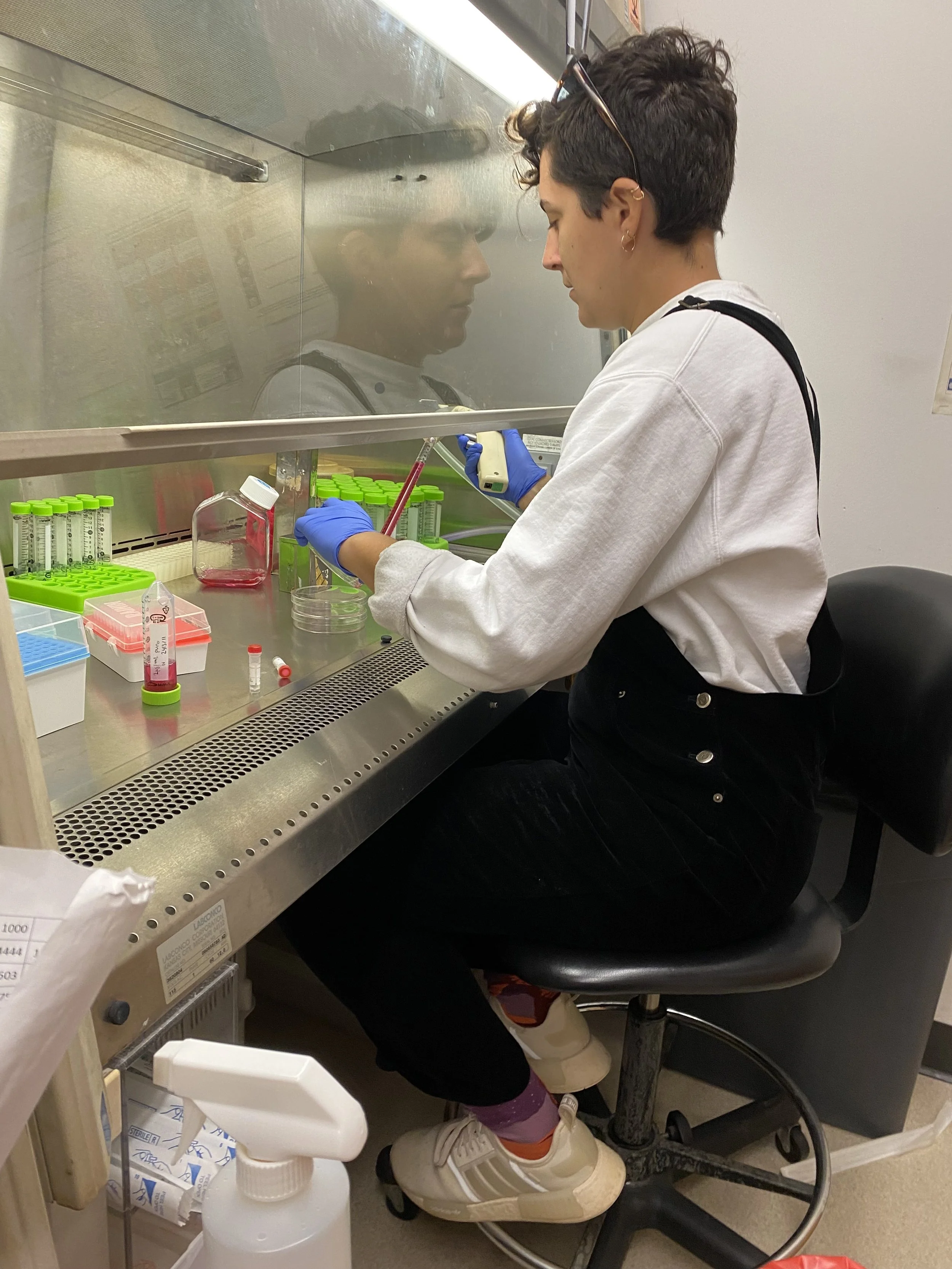
Family participation in research is critical to our success.
Research into NARS1 can only move forward by learning from real family experiences. By sharing information or contributing samples, families help researchers understand the condition and move closer to treatments.There are two important ways families can contribute today.
Rare-X is a secure global registry that helps researchers understand how NARS1 affects people over time. This information is essential for designing future clinical trials and treatments.
You can complete Rare-X in your own time and update it whenever things change.
Sharing Your Experience Through Rare-X
Blood and skin samples help researchers study how NARS1 works at a cellular level and test potential treatments safely.
Samples from families are already helping answer important research questions. The more variety researchers have, the stronger the science becomes. Collection is carefully coordinated, and costs are covered by our generous donor funding.
Donating Samples for Research
Understanding the research toolkit
Developing treatments for rare genetic disorders like NARS1 requires many different types of research. Each type answers a different question, and together they help move us closer to safe and effective treatments.
Over the past three years The Rory Belle Foundation have worked with researchers and clinicians to fill our toolkit and progress research forwards.


Your donations help us fund research into the gene therapy testing that could reduce symptoms in children with NARS1